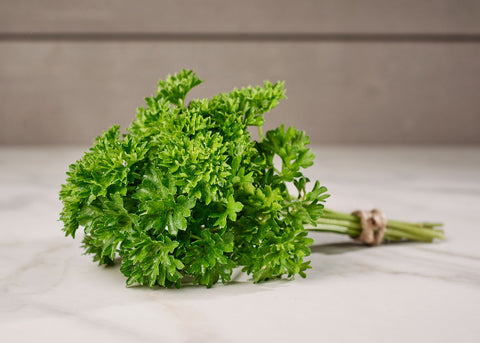
Parsley has been grown around the Mediterranean for centuries, valued for its clean, fresh flavor and dependable place in kitchens around the world. Whether tucked into soups, sprinkled over roasted vegetables, blended into sauces, or enjoyed fresh in salads, it remains one of the most versatile herbs a gardener can grow.
Both curly and flat-leaf parsley are easy additions to vegetable gardens, raised beds, and containers. Although parsley is technically a biennial, it is usually grown as an annual for its abundant foliage. Once established, it produces a steady harvest through spring, summer, and often well into fall.
Parsley Growing Guide
Timing
Start parsley indoors about 8–10 weeks before the expected last spring frost, or direct sow outdoors as soon as the soil can be worked in spring. Parsley germinates slowly, so starting early helps plants become established before warm weather arrives.
For continuous harvests, sow another crop in midsummer for fall picking. Established plants tolerate light frosts and often continue producing after many annual herbs have slowed.
Sowing & Starting
Sow seeds about ¼ inch deep in moist seed-starting mix or prepared garden soil. Keeping the soil consistently moist is important, as parsley may take two to four weeks to germinate.
Provide strong light for indoor seedlings and harden them gradually before transplanting outdoors. Space plants about 8–12 inches apart so they have room to develop full leafy rosettes. Parsley also performs well in containers with regular watering.
Growing & Care
Choose a location with full sun to partial shade and fertile, well-drained soil enriched with compost. Consistent moisture encourages tender, flavorful leaves throughout the season.
Harvest outer stems regularly rather than removing the center of the plant. Frequent picking encourages fresh growth and keeps plants productive for many months.
If plants remain in the garden through winter, they will flower during their second season. The blooms attract hoverflies, bees, parasitic wasps, and other beneficial insects, while the foliage serves as an important host plant for black swallowtail butterfly caterpillars.
Harvesting
Begin harvesting once plants have produced several mature stems. Cut the outer stalks near the base, allowing the center of the plant to continue producing new growth.
Fresh parsley keeps well in the refrigerator, can be frozen for later cooking, or dried gently in a warm, shaded place. Flat-leaf parsley generally retains more flavor after drying than curly varieties.
Nutrition & Uses
Parsley is an excellent source of vitamins K, C, and A, along with folate and naturally occurring antioxidants. Its bright, clean flavor complements a wide variety of savory dishes.
Use parsley in soups, sauces, salads, potatoes, eggs, marinades, herb butters, grain dishes, and fresh garnishes. Both the leaves and tender stems are useful in the kitchen.
Pests & Diseases
Parsley is generally easy to grow but may occasionally attract aphids, leafminers, slugs, or caterpillars. Black swallowtail caterpillars commonly feed on parsley and are often welcomed by gardeners for the butterflies they become.
Good spacing, crop rotation, and watering at the soil line help reduce leaf spots and other fungal problems. Remove damaged foliage and keep the planting free of old debris to maintain healthy growth.
Seed Saving
Parsley produces seed during its second year of growth after experiencing winter cold. Select healthy, vigorous plants and allow them to flower naturally.
As the umbrella-shaped seed heads mature, they gradually turn tan to brown. Harvest them before the seeds begin dropping, then finish drying them in a warm, airy place.
Rub the dried heads gently to release the seed, remove the chaff, and store fully dry seed in a labeled container in a cool, dark place.
Extra Tips
Be patient—parsley germinates slowly.
Harvest outer stems regularly for continuous growth.
Grow extra plants for black swallowtail butterflies.
Keep soil consistently moist during establishment.