
How to Grow Sage

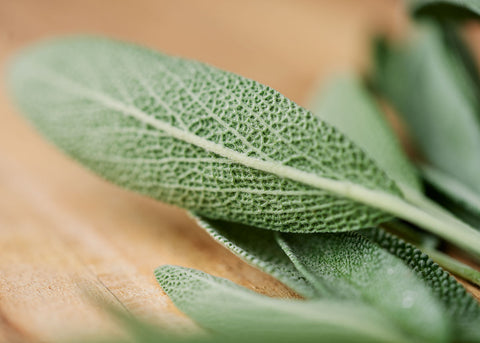
Sage has been grown around the Mediterranean for centuries, valued for its soft gray-green leaves, warm fragrance, and lasting place in kitchen and household traditions. Its earthy, slightly resinous flavor is especially welcome in breads, beans, poultry, squash, potatoes, sauces, and autumn meals.

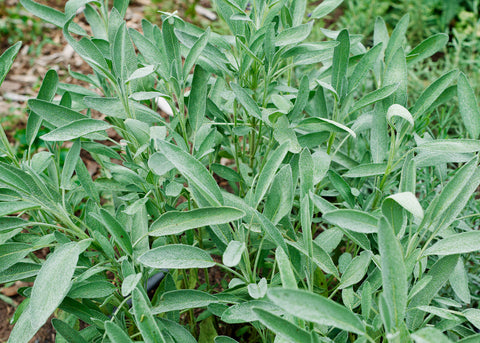
In the garden, culinary sage forms a woody perennial shrub with velvety foliage and spikes of purple-blue flowers. It brings structure to herb beds, borders, containers, and dry garden edges, while the flowers draw bees and other beneficial insects through the season.

Growing Guide

Start sage indoors about 6–8 weeks before the expected last spring frost, or direct sow outdoors after the soil has warmed. Sage grows slowly at first, so indoor starting often gives plants a stronger beginning.

Transplant after severe frost has passed and seedlings are well rooted. In mild climates, sage may also be planted in early fall, giving roots time to establish before winter. Established plants are perennial where drainage and cold conditions suit them.

Sow seeds about ¼ inch deep in moist seed-starting mix. Keep the soil evenly moist until germination, which usually takes one to three weeks.

Provide strong light and good airflow after seedlings emerge. Harden plants gradually before transplanting, spacing them about 18–24 inches apart. Sage also performs well in containers with excellent drainage.

Choose a site with full sun and well-drained soil. Sage grows best in moderate to lean conditions and often struggles in rich, wet ground.

Water regularly while plants are becoming established, then allow the soil surface to dry slightly between waterings. Prune lightly after flowering to encourage branching and keep the plant compact, but avoid cutting deeply into bare old wood.

Sage pairs well with thyme, rosemary, oregano, lavender, and other herbs that prefer dry, sunny conditions. Its flowers attract bees, hoverflies, and other beneficial insects, making it useful near vegetable beds, orchard edges, and pollinator plantings.

Choose a site with full sun and well-drained soil. Sage grows best in moderate to lean conditions and often struggles in rich, wet ground.

Water regularly while plants are becoming established, then allow the soil surface to dry slightly between waterings. Prune lightly after flowering to encourage branching and keep the plant compact, but avoid cutting deeply into bare old wood.

Sage pairs well with thyme, rosemary, oregano, lavender, and other herbs that prefer dry, sunny conditions. Its flowers attract bees, hoverflies, and other beneficial insects, making it useful near vegetable beds, orchard edges, and pollinator plantings.

Sage contains fragrant essential oils and naturally occurring plant compounds that give the leaves their distinctive flavor and aroma.

Use sage with poultry, beans, squash, potatoes, breads, cheeses, sauces, browned butter, stuffing, and savory herb blends. The leaves are also used in wreaths, fragrant bundles, and traditional household projects.

Sage is generally resilient, though spider mites, aphids, spittlebugs, and small chewing insects may occasionally appear. Inspect stressed plants and remove badly damaged growth as needed.

Good spacing, airflow, open crowns, and careful watering help reduce mildew, root rot, and stem decline. Avoid heavy mulch packed against the base, especially through wet weather or winter.

Sage is an insect-pollinated perennial, and different sage varieties may cross when flowering nearby. Grow one variety for seed or provide generous isolation if maintaining a particular type.

Select healthy plants with strong fragrance, good leaf quality, sturdy growth, and the flower form you want to preserve. Allow flower stalks to mature until the seed structures turn brown and dry.

Cut mature stalks before seed drops heavily, finish drying them under cover, then rub or thresh the heads to release the seed. Remove chaff and store fully dry seed in a labeled container in a cool, dark place.

  • Avoid overly rich or wet soil.
  • Harvest lightly during the first year.
  • Prune after bloom to maintain shape.
  • Leave some flowers for bees and beneficial insects.
  • Replace older woody plants when growth becomes sparse.