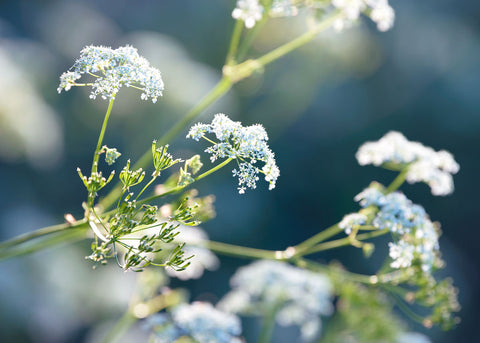
Anise has been grown around the Mediterranean and Near East for centuries, valued for its sweet, licorice-like seed and delicate umbrella-shaped flowers. Its flavor has found its way into breads, cookies, teas, liqueurs, and old kitchen remedies, giving this quiet annual herb a long place in both gardens and pantries.
In the garden, anise is fine-textured and graceful, with feathery leaves, pale flower clusters, and aromatic seeds that ripen late in the season. It is grown mainly for seed rather than foliage, and it asks for warmth, patience, and a steady season to finish well.
Growing Guide
Timing
Sow anise after the danger of frost has passed and the soil has begun to warm. The plants dislike cold, wet conditions and grow best when started in settled spring weather.
In regions with shorter seasons, anise can be started indoors a few weeks before the last frost, but it does not love root disturbance. If starting indoors, use individual cells or small pots and transplant carefully while plants are still young. Direct sowing is often the simplest approach where the season is long enough.
Sowing & Starting
Sow seeds about ¼ inch deep in prepared garden soil. Keep the seedbed evenly moist until germination, which may take one to two weeks depending on soil temperature and conditions.
Thin seedlings so plants stand about 6–12 inches apart, with enough room for airflow and seed-head development. Choose the final location carefully, since anise forms a taproot and does not transplant as easily once established.
Returns details
Show customers how much time they have for testing your products