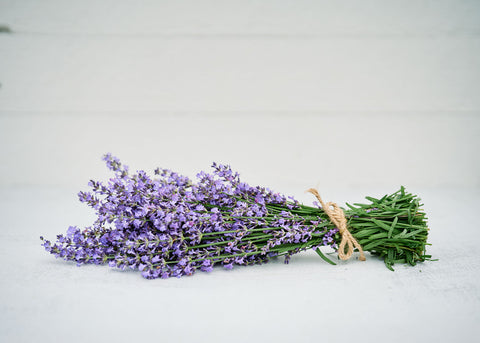
Lavender has been grown around the Mediterranean for centuries, cherished for its silver foliage, fragrant flower spikes, and usefulness in gardens, kitchens, sachets, oils, and dried arrangements. Few herbs carry such a strong sense of place, with scent rising from the leaves and flowers as soon as the plant is brushed by hand or warmed by the sun.
In the garden, lavender is a perennial herb that asks for light, air, and drainage more than rich soil or heavy care. It is beautiful along paths, in herb beds, borders, pollinator plantings, and containers, where its flowers support bees and its stems can be harvested for fragrance, tea blends, culinary use, crafts, and drying.
Growing Guide
Timing
Start lavender indoors about 10–12 weeks before the expected last spring frost. Lavender is slow from seed and may germinate unevenly, so starting early gives seedlings more time to establish before planting out.
For a simple cold treatment, place the unopened seed packet in the refrigerator for 1–2 weeks before sowing. This may help improve germination, though lavender can still be slow and irregular. Transplant outdoors after the danger of hard frost has passed and plants are well rooted.
Sowing & Starting
Sow lavender seeds shallowly on the surface of moist seed-starting mix and cover only lightly. The seeds are tiny, so press them gently into the surface rather than burying them deeply.
Keep the mix evenly moist but not soggy. Germination can take several weeks, and seedlings are small at first, so patience is important. Provide strong light and good airflow once seedlings emerge.
Move seedlings into individual pots as they grow, then harden them gradually before transplanting. Space plants about 18–24 inches apart, depending on variety and mature size. Lavender can be grown in containers, but pots must drain freely.
Returns details
Show customers how much time they have for testing your products