Lemongrass is a tropical herb prized for its fresh citrus fragrance, graceful arching leaves, and wide range of culinary uses. Native to southern Asia, it has become an essential ingredient in Thai, Vietnamese, Indian, and Southeast Asian cooking, while also earning a place in herb gardens for its fragrance, ornamental beauty, and versatility.
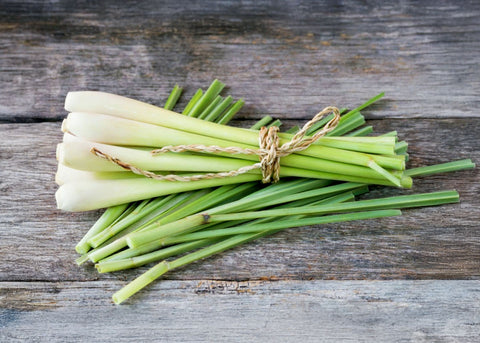
In the garden, lemongrass forms impressive clumps of tall, fountain-like foliage that bring movement and texture to beds and containers. The thick, pale leaf bases are harvested for cooking, while the fragrant leaves are often used for teas, broths, infused syrups, and household projects. In warm climates it grows as a perennial, while in colder regions it is commonly grown as an annual or overwintered indoors.
Growing Guide
Timing
Start lemongrass indoors about 8–10 weeks before the expected last spring frost. Because it thrives in warm weather, wait until both the soil and nighttime temperatures have warmed before moving plants outdoors.
Transplant after all danger of frost has passed. In colder climates, container-grown plants can be brought indoors before the first fall frost and grown through winter in a bright location.
Sowing & Starting
Sow seeds on the surface of moist seed-starting mix and cover only lightly, as light helps encourage germination. Keep the soil consistently warm and evenly moist until seedlings emerge, which usually takes one to three weeks.
Provide strong light after germination and transplant seedlings into individual pots as they grow. Harden plants gradually before moving them outdoors. Space plants about 18–24 inches apart in garden beds or grow them in large containers with excellent drainage.
Returns details
Show customers how much time they have for testing your products