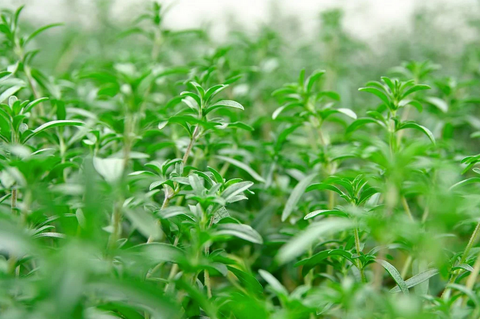
Savory has been grown around the Mediterranean for centuries, valued for its peppery fragrance and its easy partnership with beans, vegetables, meats, soups, stuffing, and preserved foods. It is the kind of herb that quietly earns its place in the kitchen, adding warmth and depth without overpowering the rest of the dish.
Two main types are commonly grown. Summer savory is a tender annual with a lighter, brighter flavor and quick growth from seed. Winter savory is a woody perennial with a stronger, more resinous character and a low, spreading habit. Both bring small flowers that attract bees and beneficial insects, making savory useful in herb beds, vegetable gardens, containers, and sunny borders.
Growing Guide
Timing
Start savory indoors about 4–6 weeks before the expected last spring frost, or direct sow outdoors after the danger of frost has passed and the soil has begun to warm. Summer savory grows quickly and is well suited to spring sowing for a same-season harvest.
For a longer harvest, sow another small batch of summer savory in early summer. Winter savory can be transplanted in spring or early fall where there is enough time for roots to establish before severe cold. Established winter savory returns as a perennial where drainage and winter conditions suit it.
Sowing & Starting
Sow the small seeds shallowly in moist seed-starting mix or prepared garden soil, covering them only lightly. Keep the surface evenly moist until germination, which usually takes one to three weeks.
Provide strong light once seedlings emerge. Harden indoor-grown plants gradually before transplanting. Space summer savory about 8–12 inches apart and winter savory about 12–18 inches apart, allowing room for its wider, woody growth.
Savory also performs well in containers, especially where the potting mix drains freely and plants receive plenty of sun.
Returns details
Show customers how much time they have for testing your products