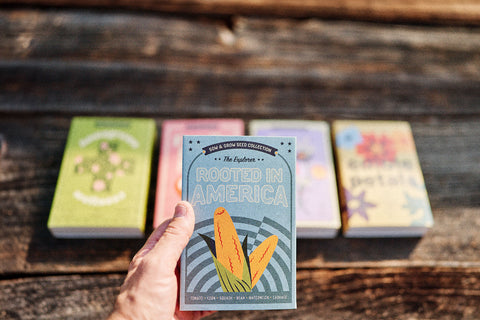
Tomatoes trace their ancestry to western South America and were further shaped through cultivation in Mesoamerica before traveling to Europe and, eventually, kitchens and gardens across the world. Generations of seed saving and selection produced everything from tiny cherry tomatoes to richly ribbed slicers and dense paste varieties.
Determinate varieties remain more compact and produce much of their harvest over a shorter period, while indeterminate plants continue growing, flowering, and setting fruit until frost. Start seeds indoors, transplant after the soil and nights have warmed, and provide full sun, steady moisture, and support.
Growing Guide
Timing
Start tomato seeds indoors about 6–8 weeks before the expected last spring frost. Transplant outdoors after frost danger has passed, the soil has warmed, and nighttime temperatures are consistently above about 50°F.
Tomatoes grow best in warm weather. Cold nights can slow growth and flowering, while prolonged heat above about 85°F during the day and 70°F at night may reduce fruit set.
Sowing & Starting
Sow seeds about ¼ inch deep in a moist seed-starting mix. Keep the mix warm and evenly moist until seedlings emerge. A heat mat can greatly improve germination speed and uniformity by maintaining the warm soil temperatures tomato seeds prefer, especially in a cool room.
Once seedlings emerge, provide strong light to encourage sturdy, compact growth. Pot seedlings into larger containers as they grow, then harden them off gradually for 7–10 days before planting outdoors.
Space plants about 18–24 inches apart for closely trained or compact varieties and 24–36 inches apart for larger, spreading plants, with enough room for airflow and harvesting.
Returns details
Show customers how much time they have for testing your products