
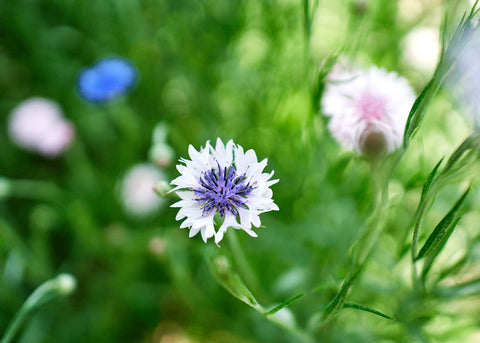
Tall Mix - Centaurea Seeds

Price:$4.99
Open-Pollinated
Heirloom
Quick Facts
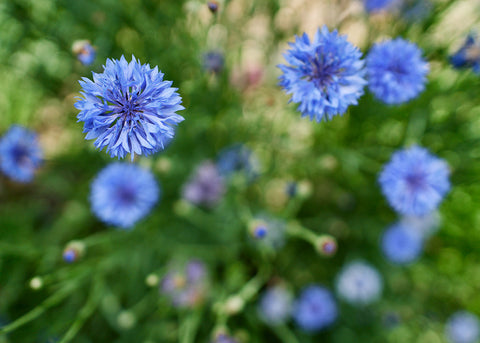
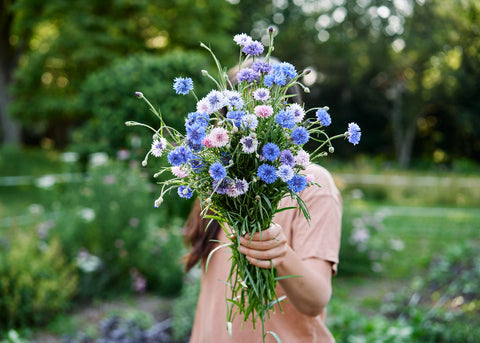
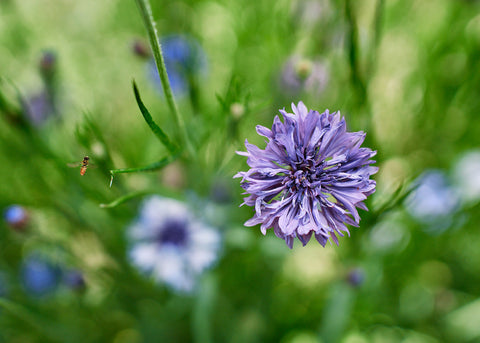
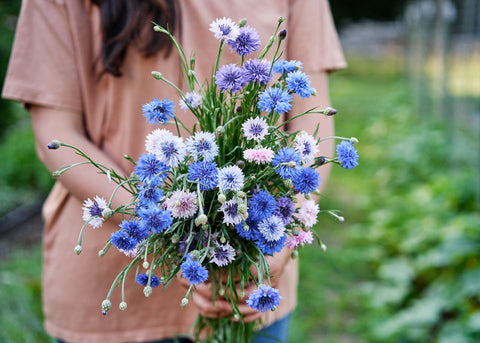
  • Fringed cornflowers in blue, pink, lavender, rose, and white
  • Slender stems weave a loose, meadow-like garden display
  • Cut fresh bouquets or dry blooms for later
  • 65–75 days from sowing to bloom
  • Centaurea cyanus
Choose size

🌱 Sow with Confidence—One-Year Seed Guarantee

Tall Mix bachelor’s buttons bring the classic cornflower form in shades of blue, pink, lavender, white, and rose. These easy annuals have a loose, meadow-grown feeling, with fringed blooms held on slender stems that weave naturally through borders, cottage gardens, and cutting rows.

The flowers are edible and can be used sparingly as bright garnish, while the blooms also draw pollinators into the garden. Cut them fresh, dry them for later, or let a few go to seed for that familiar, self-sown charm that makes bachelor’s buttons feel right at home.

Orders ship from Pennsylvania within 1–2 business days via USPS. Orders $79+ ship free within the contiguous United States.

Unopened items may be returned within 30 days. If something arrives damaged, incomplete, or incorrect, we’ll make it right.

View Shipping Policy

We stand behind every packet. Our seeds are untreated, germination-tested, true to variety, and covered for one year from purchase.

If seeds arrive damaged, fail to germinate under reasonable growing conditions, or do not grow true to type, contact us and we’ll make it right with a replacement, store credit, or refund.
View Refund, Return & Guarantee Policy

Previous
Next

FAMILY OWNED

Hand packed in Pennsylvania by our family.

LAB TESTED

Third-party tested for reliable germination.

NON-GMO

Open-pollinated varieties for home gardens & seed saving.

UNTREATED SEED

Never coated with chemical seed treatments.

Bachelor’s Button Growing Basics

Bachelor’s buttons (Centaurea cyanus), also known as cornflowers, have brightened fields and cottage gardens for centuries. Once a common sight among European grain fields, these cheerful blooms became treasured garden flowers for their brilliant blue color, though modern varieties also bloom in shades of white, pink, lavender, purple, and burgundy.

Easy to grow and generous in bloom, bachelor’s buttons are equally at home in cutting gardens, pollinator plantings, and wildflower borders. Their long stems make excellent cut flowers, while the nectar-rich blooms attract bees, butterflies, and other beneficial insects throughout late spring and early summer.

Direct sow bachelor’s buttons outdoors 2–4 weeks before the last expected spring frost, as young plants tolerate cool temperatures well. They establish quickly in cool weather and often bloom before the heat of summer arrives.

For a longer flowering season, sow additional seed every few weeks through late spring. In regions with mild winters, seeds may also be sown in early fall for earlier spring blooms the following year.

Sow seeds about ¼ inch deep in prepared soil and keep evenly moist until germination, which usually occurs within one to two weeks.

Although they can be started indoors, bachelor’s buttons develop a strong taproot and generally perform best when direct sown. Thin seedlings to 6–10 inches apart to encourage sturdy stems and good airflow.

Plant in full sun and well-drained soil. Bachelor’s buttons perform well in average garden soil and often produce stronger stems when not overfertilized.

Water regularly while plants establish, then only during prolonged dry periods. Deadheading encourages continued flowering, while allowing a few blooms to mature provides seed for future seasons.

Bachelor’s buttons are excellent companion flowers for vegetable gardens, attracting bees, hoverflies, lacewings, and other beneficial insects that help pollinate crops and support natural pest control.

Harvest flowers when they are fully open but still fresh for the longest vase life. Cut stems during the cool morning hours and place them immediately into water.

Frequent cutting encourages additional blooms throughout the season. Flowers also dry well, retaining much of their color for wreaths and dried arrangements.