
Black Beauty - Organic Eggplant Seeds

SKU: VET102
Open-Pollinated
Certified Organic
Heirloom
Price:$4.95
Choose size

🚚 FREE SHIPPING for all orders over $79!

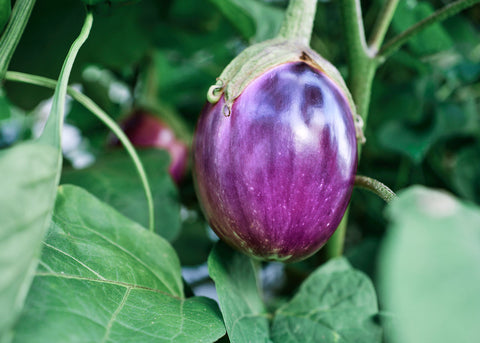
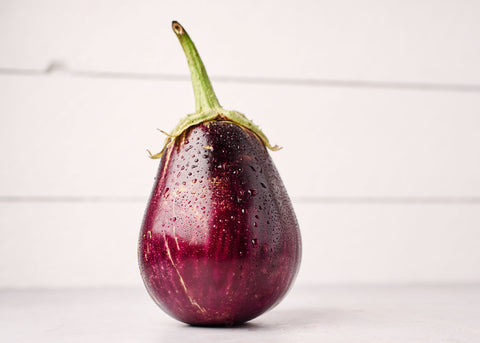
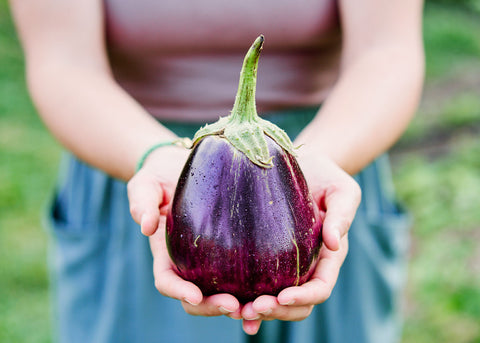
Black Beauty put eggplant on American tables in 1902—glossy, near‑black bells that set well in heat and cook to silky, rich flesh. Slice and grill, cube for ratatouille, or roast and blitz into baba ghanoush. Eggplants bring fiber and antioxidants like nasunin in the skin. Start early with warmth, feed steadily, and harvest before skins dull. Compact enough for big containers, it’s still the benchmark backyard eggplant.

Start seed indoors 6-8 weeks before transplanting into the garden. Optimum soil temperature for seed germination is 70-90 degrees. Transplant to the garden 2 to 3 weeks after your average last frost. Eggplants love it hot. They tend to grow best when daytime temperatures are 80-85 degrees. When plants are about 6" high, nip back the growing tip to encourage branching. Eggplants benefit from full sun, cold weather protection, black plastic mulch and possibly row covers.

Scientific name: solanum melongena
Days to maturity: 75-80 from transplants
Seed depth: 1/2"
Days to sprout: 5-10
Plant spacing: 18-24"
Row spacing: 24-36"
Light requirements: sunny
Plant height: 24-30"
Life cycle: annual
Frost hardy: no

Previous
Next

NON-GMO

Open-pollinated seeds perfect for seed saving

HIGH QUALITY

Third-party lab tested to ensure strong germination and seed vitality

100% SATISFACTION

We'll make it right if there's a problem

HAND PACKED

Created with love in Pottstown, PA

ORGANIC SEED

140+ Organic and Certified Naturally Grown varieties available

FREE SHIPPING

Fast & free shipping on orders $79+

Growing Guide

Eggplant has been cultivated in Asia for centuries, with a long history in India, southern China, and Southeast Asia. Early growers gradually selected wild, bitter fruits for larger size, better flavor, and the wide range of shapes and colors found in gardens today.

Eggplants are warm-season plants that thrive in full sun and sustained summer heat. Fruits may be round, elongated, striped, white, green, lavender, or deep purple. Start seeds indoors, transplant only after nights have warmed, and harvest while the skin is glossy and the flesh remains tender.

Start eggplant seeds indoors about 8–10 weeks before the expected last spring frost.

Transplant after frost danger has passed, the soil has warmed, and nighttime temperatures remain consistently above about 55°F. Eggplants grow poorly in cold conditions, so waiting for settled warmth usually produces stronger plants.

Sow seeds about ¼ inch deep in moist seed-starting mix. A heat mat is strongly recommended and can greatly improve germination speed and uniformity. Keep the mix around 75–85°F until seedlings emerge, checking moisture often because heated trays dry faster.

After germination, remove the heat mat and provide strong overhead light. Pot seedlings up as needed and harden them off gradually before transplanting.

Space most plants about 18–24 inches apart.

Plant in full sun and fertile, well-drained soil. Set transplants at approximately the same depth they grew in their containers.

Water deeply and consistently, especially during flowering and fruit development. Mulch after the soil warms to conserve moisture and suppress weeds.

Large-fruited plants may benefit from staking. Avoid excessive nitrogen, which can encourage leafy growth instead of fruit.

Harvest while fruits are glossy, firm, and slightly springy when pressed. Dull skin and hard, brown seeds usually indicate overripe fruit.

Cut fruit from the plant with pruners, leaving a short stem attached. Wear gloves when harvesting varieties with sharp stem or calyx spines.

Frequent picking encourages continued production.

Eggplant provides fiber along with small amounts of potassium, folate, and other vitamins and minerals. Purple varieties are especially notable for anthocyanins concentrated in the skin, including pigments such as nasunin that contribute both color and antioxidant activity.

Its mild flesh readily absorbs the flavors of herbs, garlic, tomatoes, olive oil, and spices. Roast, grill, sauté, bake, or simmer it in dips, curries, sauces, casseroles, and vegetable dishes, leaving tender skin intact when possible.

Flea beetles commonly make small holes in young leaves. Row cover can protect new transplants until flowering begins.

Also watch for aphids, Colorado potato beetles, hornworms, and spider mites. Rotate eggplant with tomatoes, peppers, and potatoes, allow good airflow, and water at soil level to reduce disease pressure.

Save seed from healthy, fully mature fruit of open-pollinated varieties. Seed-saving fruits must remain on the plant well beyond the eating stage until they become dull, soft, and overripe.

Scoop out the seeds, separate them from the pulp in water, and rinse thoroughly. Spread the clean seeds in a thin layer to dry completely.

Different eggplant varieties can cross, so isolate varieties or protect blossoms when maintaining pure seed. Store fully dry seed in a labeled, airtight container in a cool, dark, dry place.

• Use a heat mat for more reliable germination.

• Do not transplant into cold soil.

• Protect young plants from flea beetles.

• Stake heavy-fruited varieties early.

• Pick fruit while the skin is still glossy.

• Rotate away from tomatoes, peppers, and potatoes.