Who Gets Kissed - Corn Seeds - Certified Naturally Grown (CNG)

SKU: VCN109
Open-Pollinated
Certified Naturally Grown
Price:$5.95
Choose size

🚚 FREE SHIPPING for all orders over $79!

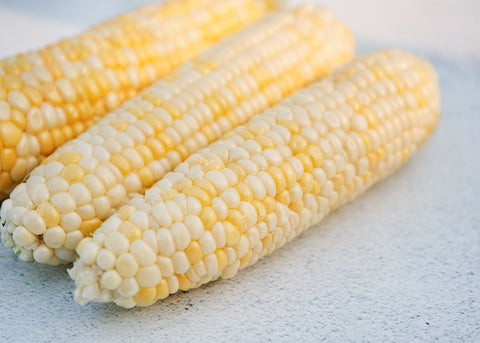
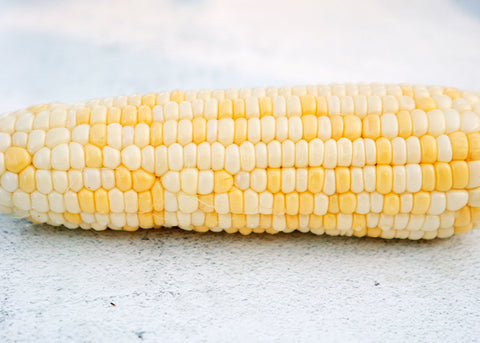
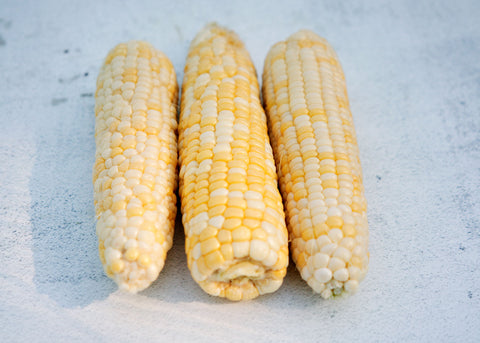
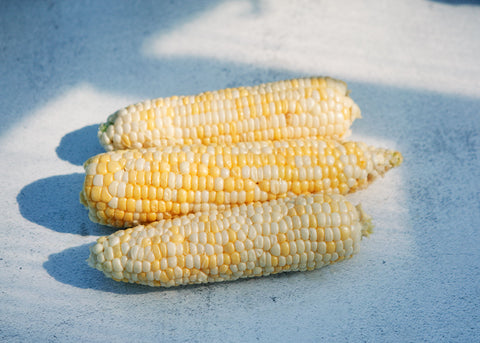
Who Gets Kissed packs clean, creamy sweetness into well-filled 7–8 inch bicolor ears—yellow and white kernels with a crisp, tender bite. Carrying the Sugary Enhanced (SE) trait, it delivers that extra-sweet, just-picked flavor long after harvest. Plants grow 5–6 feet tall with ears set high for easy picking.

Selected for cool-soil emergence, strong tip fill, and a staggered harvest window, it gives steady dinners instead of a one-week glut. Bred by Upper Midwest farmers and released in 2014, its name nods to an old corn-husking game—but the real prize is dependable flavor and performance. These seeds are Certified Naturally Grown (CNG)—grown using practices that avoid synthetic inputs and focus on healthy soil and responsible stewardship.

Every order is packed with care by our small team in Pennsylvania and typically ships within 2–3 business days—often by the next business day. We ship throughout the United States using USPS and UPS.

Unopened items may be returned within 30 days of delivery. If an order arrives damaged, incomplete, or incorrect, please contact us so we can make it right.

View Shipping Policy

We stand behind every packet we sell. Our seeds are carefully selected, tested for germination, untreated, and guaranteed to be true to variety.

Your seeds are covered for one year from the date of purchase. If they fail to germinate under reasonable growing conditions, arrive damaged, or do not grow true to type, contact us and we’ll make it right with a replacement, store credit, or refund.

View Refund, Return & Guarantee Policy

Plant seeds directly in the garden in spring after the danger of frost has passed and the soil has warmed. Sweet corn grows best in warm soil and air conditions and should not be planted too early. Seeds germinate best when soil temperatures are near 60°F, and untreated seed should not be planted until soil is at least 65°F. Corn is wind pollinated and should be planted in blocks of at least 3–4 rows side by side to ensure good pollination and full ears. Make successive plantings every 2 weeks for a continuous harvest through summer. Plan for the last planting to mature a few weeks before your average first frost date.

Because corn varieties cross-pollinate, isolate sweet corn from field corn, popcorn, and ornamental corn. To prevent starchy kernels and reduced sweetness, separate plantings by distance when possible or stagger sowing dates so varieties shed pollen at different times. Field and ornamental corn can often be planted a bit earlier than sweet corn, but sweet corn performs best when soils are adequately warm. For drying corn intended for flour, meal, or decoration, harvest at full maturity and cure in a dry, airy place until kernels are fully hard.

Scientific name: zea mays
Days to maturity: 70-85
Seed depth: 1"
Days to sprout: 5-8
Plant spacing: 8-12"
Row spacing: 2-3'
Light requirements: sunny
Plant height: 5-6'
Life cycle: annual
Frost hardy: no

Previous
Next

NON-GMO

Open-pollinated varieties for home gardens & seed saving

UNTREATED SEED

Safe seed, free from chemical treatments

HAND PACKED IN PA

Prepared with care by our family and small team

100% SATISFACTION

Third-party lab tested and backed by our guarantee

Growing Guide

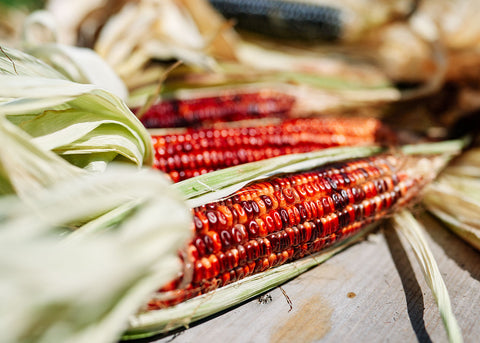
Corn was first domesticated in Mexico thousands of years ago and became one of the great food crops of the Americas. Indigenous growers developed many forms, including sweet corn for fresh eating, popcorn, flint and flour corn for grinding, and dent or field corn for dry grain, feed, and storage.

All types are warm-season, wind-pollinated plants that grow best in blocks rather than a single long row. Sow into warm soil, provide full sun and steady moisture, and allow enough time for the crop to reach the stage you plan to harvest—tender and milky for sweet corn, or fully mature and dry for grain corn.

Sow corn outdoors after frost danger has passed and the soil has warmed. Standard and dry corn types generally germinate well around 55–60°F, while supersweet corn performs best in soil closer to 65°F.

For a longer sweet-corn harvest, make successive sowings or grow varieties with different maturity dates. A practical method is to sow the next planting when the previous crop has three or four leaves.

Dry corn needs a longer season because the ears must mature fully on the stalk. Choose varieties that can finish before cold, wet fall weather arrives.

Direct sow seeds about 1–1½ inches deep in warm, moderately moist soil. Plant slightly deeper in light or sandy soil and shallower in cool, heavy soil.

Thin plants to about 8–12 inches apart, with rows roughly 30–36 inches apart. Plant at least three or four short rows together so wind-blown pollen can reach the silks more evenly.

Corn usually performs best when direct sown. If the season is very short, start seeds in deep individual pots and transplant while seedlings are young and roots remain undisturbed.

Choose a site with full sun and fertile, well-drained soil. Corn is a heavy feeder and benefits from compost or balanced fertility before planting, followed by additional nitrogen when plants are about 8–12 inches tall.

Water consistently, especially from tasseling and silking through kernel fill. Moisture stress during this stage can lead to poorly filled ears or missing kernels.

Keep weeds controlled while plants are young, but cultivate shallowly to avoid damaging surface roots. Once the stand grows tall, the leaves shade much of the soil.

Sweet corn is ready when the silks are brown and dry, the husks remain green, and a pierced kernel releases a milky liquid. Harvest by twisting the ear downward and cool or use it soon after picking.

Dent, flour, flint, popcorn, and other dry corns are left on the stalk until the husks turn brown and the kernels become hard. Harvest before prolonged wet weather, pull back the husks, and finish drying the ears under cover with good airflow.

Popcorn must dry thoroughly before storage. Test a few kernels after curing; poor popping often means the kernels still contain too much moisture.

Sweet corn provides fiber, carbohydrates, vitamin C, several B vitamins, potassium, magnesium, and antioxidant plant compounds. Yellow kernels contain carotenoids such as lutein and zeaxanthin, while red, blue, and purple corn may contain anthocyanins.

Sweet corn is eaten fresh, frozen, grilled, steamed, or cut from the cob. Dent and field corn are harvested dry for meal, grits, feed, or processing. Flour corn grinds finely for baking, flint corn has hard kernels suited to meal and polenta, and popcorn is dried specifically for popping.

Corn earworms, cutworms, wireworms, flea beetles, and corn borers may damage seedlings, stalks, or ears. Check plants regularly and remove heavily damaged tissue where practical.

Raccoons, birds, and deer can cause major losses as ears ripen. Fencing, netting, or other physical protection may be needed where wildlife pressure is high.

Seed rot is more common in cold, wet soil. Corn smut forms swollen gray or black galls on ears, tassels, or stalks. Remove infected tissue before the galls break open and avoid leaving diseased residue in the garden.

Corn is wind-pollinated and crosses readily with nearby corn varieties. To keep seed true to type, separate different varieties by distance or flowering time.

Choose healthy plants with strong stalks, well-filled ears, and the traits you want to preserve. Leave selected ears on the stalk until the husks are dry and the kernels are fully hard.

Harvest before prolonged wet weather, pull back the husks, and finish drying the ears in a warm, airy place. Shell only when the kernels are completely dry, then store them in a labeled, airtight container somewhere cool, dark, and dry.

  • Plant corn in a block of short rows for better pollination.
  • Separate corn varieties by distance or flowering time.
  • Water steadily from silking through kernel fill.
  • Side-dress with nitrogen when plants are about 8–12 inches tall.
  • Harvest sweet corn young; leave dry corn to mature fully.