


Rainbow Mix - Organic Swiss Chard Seeds
🚚 FREE SHIPPING for all orders over $79!
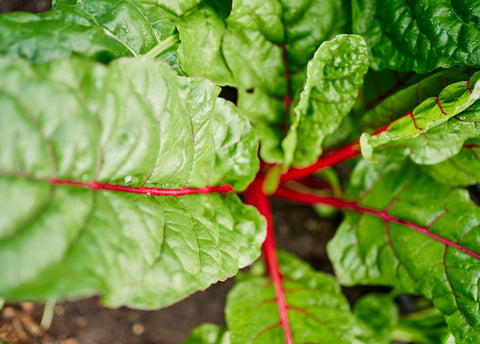
Rainbow Mix Swiss chard turns a vegetable bed into stained glass, sending up glossy green leaves on stems of red, pink, yellow, orange, and white. This colorful chard blend brings the same earthy, mild flavor gardeners expect from chard, with enough beauty to earn a place near flowers.
Harvest baby leaves for tender salads or cut larger leaves for sautés, soups, and skillet meals. The plants are productive across a long season, offering repeat harvests and a welcome splash of color when the garden needs it most.
Scientific name: Beta vulgaris
Life cycle: Biennial, typically grown as an annual
Harvest type: Leaf and stem
Growth habit: Upright clumps
Every order is packed with care by our small team in Pennsylvania and typically ships within 2–3 business days—often by the next business day. We ship throughout the United States using USPS and UPS.
Unopened items may be returned within 30 days of delivery. If an order arrives damaged, incomplete, or incorrect, please contact us so we can make it right.
We stand behind every packet we sell. Our seeds are carefully selected, tested for germination, untreated, and guaranteed to be true to variety.
Your seeds are covered for one year from the date of purchase. If they fail to germinate under reasonable growing conditions, arrive damaged, or do not grow true to type, contact us and we’ll make it right with a replacement, store credit, or refund.
FAMILY OWNED
Hand packed in Pennsylvania by our family.
LAB TESTED
Third-party tested for reliable germination.
NON-GMO
Open-pollinated varieties for home gardens & seed saving.
UNTREATED SEED
Never coated with chemical seed treatments.
Swiss Chard Growing Basics

Swiss chard brings the color of a flower border into the vegetable garden, with broad green leaves rising on stems of white, gold, pink, orange, or deep crimson. Closely related to beets, it was selected over generations for generous leaves and tender stalks rather than swollen roots.
Chard is a cool-season biennial usually grown as an annual, yet it handles summer warmth better than many leafy greens. One spring planting can provide armfuls of leaves from mild weather through the first hard freezes.
Direct sow Swiss chard about 2–3 weeks before the expected last spring frost, once the soil can be worked and has warmed to around 50°F. It may also be started indoors about 4–6 weeks before transplanting.
Chard tolerates light frost and continues producing through warm weather if moisture remains steady. Sow again in midsummer where a fresh fall crop is desired, allowing about 50–60 days before the first hard freeze.
Sow seed clusters about ½–¾ inch deep and keep the soil evenly moist until seedlings emerge. Because each cluster may contain several true seeds, more than one seedling often appears in the same spot.
Thin or transplant plants to about 6–10 inches apart for full-sized leaves. Closer spacing works for baby-leaf harvests. Young thinnings are edible and can be added to salads or cooked as tender greens.
hoose a site with full sun, though chard tolerates partial shade and may appreciate afternoon protection during hot weather. Grow it in loose, well-drained soil enriched with finished compost.
Keep moisture steady so leaves and stalks remain tender. Mulch once plants are established to cool the soil, reduce weeds, and protect soil structure. Harvesting regularly encourages fresh growth from the center of the plant.
Begin harvesting once plants have four or five leaves. Pick the largest outer leaves by cutting them near the base while leaving the central growing point untouched.
Regular picking keeps the plant productive and provides the most tender leaves. Older leaves can become coarse, so harvest them before they grow oversized. Chard is best used soon after cutting.


