
Umpqua - Broccoli Seeds

SKU: VBI104
Open-Pollinated
Price:$3.95
Choose size

🚚 FREE SHIPPING for all orders over $79!

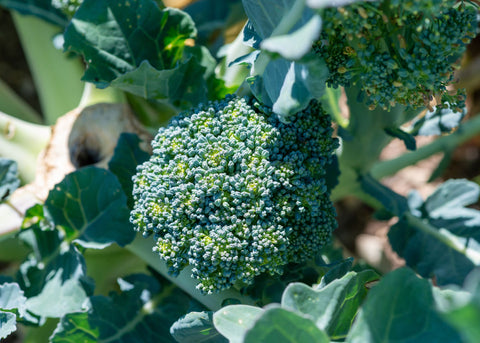
Umpqua is a Northwest selection that forms generous central heads followed by a steady flush of side shoots—broccoli that truly keeps giving. Flavor is sweet and nutty, especially from fall harvests. A source of vitamins C and K.

Start indoors, set out with compost, and keep water steady for tight heads. Harvest the main head promptly to push shoots. A reliable, open-pollinated alternative to hybrids.

Every order is packed with care by our small team in Pennsylvania and typically ships within 2–3 business days—often by the next business day. We ship throughout the United States using USPS and UPS.

Unopened items may be returned within 30 days of delivery. If an order arrives damaged, incomplete, or incorrect, please contact us so we can make it right.

View Shipping Policy

We stand behind every packet we sell. Our seeds are carefully selected, tested for germination, untreated, and guaranteed to be true to variety.

Your seeds are covered for one year from the date of purchase. If they fail to germinate under reasonable growing conditions, arrive damaged, or do not grow true to type, contact us and we’ll make it right with a replacement, store credit, or refund.

View Refund, Return & Guarantee Policy

Start broccoli seed indoors 5-7 weeks before your anticipated planting date. Optimum soil temperature for seed germination is 50-85 degrees. Harden off plants by exposing them to an increasing number of hours outdoors each day 1-2 weeks prior to transplanting time. Set transplants in the garden 2-4 weeks before average last spring frost. Direct seeding is only recommended for areas with a long, cool spring season that will allow full maturity before summer heat sets in. For a fall harvest, plant transplants about 70 days before average first frost. Broccoli can be successfully direct seeded for a fall harvest 90-100 days before average first frost date. Broccoli is vert frost tolerant.

Scientific name: brassica oleracea
Days to maturity: 60-85
Seed depth: 1/2"
Days to sprout: 3-10
Plant spacing: 18-24"
Row spacing: 36"
Light requirements: sunny
Plant height: 20"
Life cycle: annual
Frost hardy: yes

Previous
Next

NON-GMO

Open-pollinated varieties for home gardens & seed saving

UNTREATED SEED

Safe seed, free from chemical treatments

HAND PACKED IN PA

Prepared with care by our family and small team

100% SATISFACTION

Third-party lab tested and backed by our guarantee

Growing Guide

Broccoli developed from wild Mediterranean cabbages and has been cultivated in Italy for centuries. Most familiar varieties form one large central head followed by smaller side shoots, while sprouting types produce many smaller stems over a longer season.

The edible heads are clusters of unopened flower buds. Broccoli grows best when plants develop steadily in fertile soil and the heads mature during cool weather.

Start seeds indoors about 5–7 weeks before transplanting. Set spring plants outdoors roughly 3–4 weeks before the expected last frost once they are hardened off and conditions are reasonably settled.

Broccoli forms its best heads in cool weather and may struggle when heads mature during sustained heat. For a fall crop, count backward from the variety’s days to maturity and allow extra time for slower autumn growth.

Sow seeds ¼–½ inch deep in moist seed-starting mix. Provide bright light after emergence and keep seedlings growing steadily in cool, moderate conditions.

Harden plants gradually before transplanting and space them about 18–24 inches apart. Avoid holding seedlings too long or exposing large transplants to prolonged cold, which can lead to small, premature heads.

Choose a site with full sun and fertile, well-drained soil enriched with finished compost. Maintain balanced fertility and avoid excess nitrogen, which can encourage leafy growth at the expense of firm heads.

Keep the soil evenly moist, especially while heads are forming, and mulch with clean straw, shredded leaves, or another organic material. Drought, root disturbance, and sudden swings in growth can reduce head size and quality.

Harvest when the central head is full, firm, and tightly closed, before individual buds loosen or show yellow flowers. Cut the head with several inches of tender stem attached.

Leave the plant in place after the main harvest. Many varieties will produce smaller side shoots for several additional pickings, especially during cool weather.

Broccoli provides fiber, folate, vitamins C and K, carotenoids, and potassium. Like other brassicas, it also contains naturally occurring sulfur-rich compounds called glucosinolates.

The florets, peeled stems, and young leaves are all edible. Broccoli may be eaten raw, steamed, roasted, stir-fried, added to soups, or blanched and frozen.

Cabbageworms, loopers, and other caterpillars may chew leaves or hide inside developing heads. Check plants often, remove eggs and caterpillars by hand, and use insect netting from the time plants are set out where these pests are common.

Flea beetles and aphids may also appear on young plants. Strong seedlings, crop rotation, clean beds, good airflow, and nearby flowers that support beneficial insects help keep problems in balance. Water at soil level and avoid planting brassicas in the same place year after year to reduce disease pressure.

Broccoli is an insect-pollinated biennial and usually flowers after experiencing winter cold. It crosses with other Brassica oleracea crops, including cabbage, cauliflower, Brussels sprouts, collards, European kale, and kohlrabi.

Save seed only from open-pollinated plants that show the desired head, vigor, and maturity. Grow only one flowering B. oleracea variety nearby, or provide generous isolation. Allow several plants to flower for better genetic diversity.

When the second-year pods turn tan and begin to dry, cut the stalks before they shatter. Finish drying them under cover, then thresh, clean, and store the fully dry seed in a cool, dark place.

  • Fall crops often produce larger, tighter heads than spring crops.
  • Protect young plants early where caterpillars are common.
  • Harvest promptly once the buds begin to loosen.
  • Leave the stem after harvest for side shoots.
  • Follow broccoli with a non-brassica crop or soil-building cover crop.