


Kapoor Tulsi (Holy Basil) - Organic Basil Seeds
Text block
🌱 Sow with Confidence—One-Year Seed Guarantee
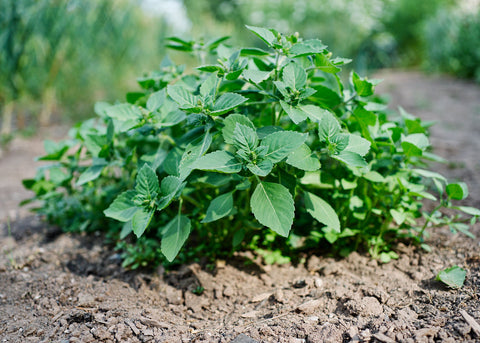
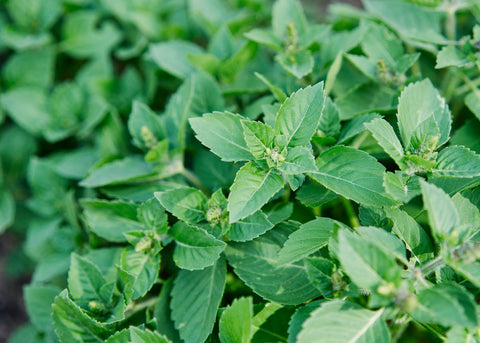
Kapoor Tulsi, also called holy basil, is a fragrant, vigorous herb with green leaves, purple-toned stems, and abundant flower spikes that bring bees into the herb patch. Plants have a warm, spicy fragrance with clove-like notes and grow into full, well-branched plants.
Harvest the leaves and tender tops for teas, drying, and aromatic kitchen use, cutting often to keep plants branching. Kapoor Tulsi feels different from sweet basil—less like pesto, with a warm, spicy garden perfume that rises from the plants on summer afternoons.
Orders ship from Pennsylvania within 1–2 business days via USPS. Orders $79+ ship free within the contiguous United States.
Unopened items may be returned within 30 days. If something arrives damaged, incomplete, or incorrect, we’ll make it right.
We stand behind every packet. Our seeds are untreated, germination-tested, true to variety, and covered for one year from purchase.
If seeds arrive damaged, fail to germinate under reasonable growing conditions, or do not grow true to type, contact us and we’ll make it right with a replacement, store credit, or refund.
FAMILY OWNED
Hand packed in Pennsylvania by our family.
LAB TESTED
Third-party tested for reliable germination.
NON-GMO
Open-pollinated varieties for home gardens & seed saving.
UNTREATED SEED
Never coated with chemical seed treatments.
Basil Growing Basics

Basil is one of the great warm-season herbs, loved for its fragrance, tender leaves, and deep connection to summer cooking. Native to tropical regions of Asia and Africa and long grown around the Mediterranean, basil has become a kitchen garden staple for pesto, sauces, salads, teas, garnishes, and fresh meals gathered close to home.
There are many kinds of basil, from classic Genovese types to purple, lemon, Thai, cinnamon, dwarf, and holy basil forms. Each brings its own scent, color, shape, and use. Basil grows quickly in warm weather and rewards regular harvest with fuller plants, more branches, and a steady supply of fresh leaves.
Start basil indoors about 4–6 weeks before the expected last spring frost, or direct sow after all danger of frost has passed. Basil is tender and should not be planted outdoors until soil and nighttime temperatures have warmed.
For a longer harvest, sow or transplant in late spring and again in early summer. Basil grows best in warm weather and slows down when temperatures are cool.
Sow seeds about ¼ inch deep in moist seed-starting mix or prepared garden soil. Keep evenly moist until germination, which usually occurs within one to two weeks in warm conditions.
Provide strong light for indoor seedlings. Transplant after frost has passed, spacing most basil plants about 8–12 inches apart. Larger or more vigorous varieties may need additional room, while compact types can grow well in containers.
Choose a site with full sun, warm soil, and well-drained ground enriched with finished compost. Basil appreciates steady moisture, but it should not sit in wet soil.
Pinch or cut the growing tips once plants are established to encourage branching. Harvest regularly above a leaf pair, taking small amounts often rather than stripping the plant heavily all at once. Remove flower buds for the longest leaf harvest, or allow some plants to bloom for pollinators and seed saving.
Begin harvesting once plants are well established and have several sets of true leaves. Cut stems just above a leaf pair to encourage new side shoots.
Harvest in the cool part of the day for the best fragrance. Use leaves fresh, or preserve them by drying, freezing, blending into pesto, or packing into oil-based preparations for short-term refrigerated use. Basil is most tender before heavy flowering.
All great!!


