Basil is one of the great warm-season herbs, loved for its fragrance, tender leaves, and deep connection to summer cooking. Native to tropical regions of Asia and Africa and long grown around the Mediterranean, basil has become a kitchen garden staple for pesto, sauces, salads, teas, garnishes, and fresh meals gathered close to home.
There are many kinds of basil, from classic Genovese types to purple, lemon, Thai, cinnamon, dwarf, and holy basil forms. Each brings its own scent, color, shape, and use. Basil grows quickly in warm weather and rewards regular harvest with fuller plants, more branches, and a steady supply of fresh leaves.
Basil Growing Guide
Timing
Start basil indoors about 4–6 weeks before the expected last spring frost, or direct sow after all danger of frost has passed. Basil is tender and should not be planted outdoors until soil and nighttime temperatures have warmed.
For a longer harvest, sow or transplant in late spring and again in early summer. Basil grows best in warm weather and slows down when temperatures are cool.
Sowing & Starting
Sow seeds about ¼ inch deep in moist seed-starting mix or prepared garden soil. Keep evenly moist until germination, which usually occurs within one to two weeks in warm conditions.
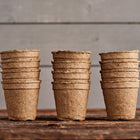
Provide strong light for indoor seedlings. Transplant after frost has passed, spacing most basil plants about 8–12 inches apart. Larger or more vigorous varieties may need additional room, while compact types can grow well in containers.
Growing & Care
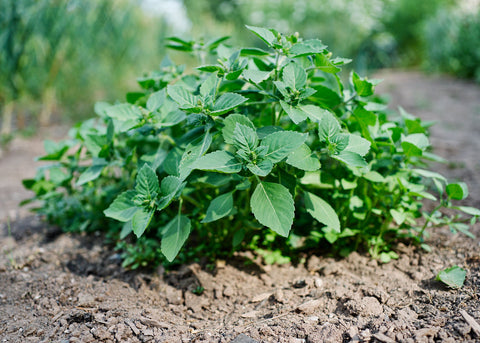
Choose a site with full sun, warm soil, and well-drained ground enriched with finished compost. Basil appreciates steady moisture, but it should not sit in wet soil.
Pinch or cut the growing tips once plants are established to encourage branching. Harvest regularly above a leaf pair, taking small amounts often rather than stripping the plant heavily all at once. Remove flower buds for the longest leaf harvest, or allow some plants to bloom for pollinators and seed saving.
Harvesting
Begin harvesting once plants are well established and have several sets of true leaves. Cut stems just above a leaf pair to encourage new side shoots.
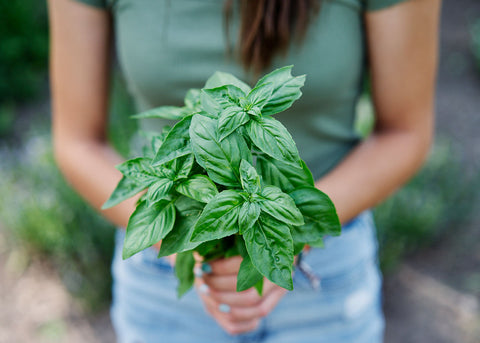
Harvest in the cool part of the day for the best fragrance. Use leaves fresh, or preserve them by drying, freezing, blending into pesto, or packing into oil-based preparations for short-term refrigerated use. Basil is most tender before heavy flowering.
Nutrition & Uses
Basil provides vitamin K, small amounts of vitamin A, manganese, and aromatic plant compounds. Purple basil varieties also contain anthocyanin pigments, while many basils are rich in fragrant essential oils that give each type its distinct scent.
Use basil in pesto, tomato sauces, salads, soups, stir-fries, teas, vinegars, herb butters, marinades, and fresh garnishes. Thai, lemon, cinnamon, and holy basil types each bring their own flavor to the kitchen, tea garden, and herb bed.
Pests & Diseases
Aphids, Japanese beetles, slugs, and caterpillars may feed on basil. Inspect leaves regularly and remove damaged growth as needed.
Good airflow, generous spacing, clean harvests, and watering near the soil help reduce leaf spots and mildew issues. Avoid overhead watering late in the day, and remove infected leaves rather than letting them remain on the plant.
Seed Saving
Basil is an insect-pollinated annual. Different basil varieties can cross when flowering near one another, so grow only one variety for seed or provide generous isolation if you want to maintain a variety true to type.
Choose healthy, flavorful, true-to-type plants and allow them to flower fully. Seed heads mature from the bottom upward and turn brown when dry. Cut stems once much of the seed is mature, finish drying under cover, then rub or thresh the heads to release the small black seeds. Clean away chaff and store fully dry seed in a labeled container in a cool, dark place.
Extra Tips
Wait for warm weather before planting outdoors.
Pinch early to encourage fuller plants.
Harvest often to delay flowering.
Grow extra plants if you want both leaves and seed.
Let a few basil plants bloom for bees and other pollinators.