

Lemon Balm Seeds - Organic
🚚 FREE SHIPPING for all orders over $79!
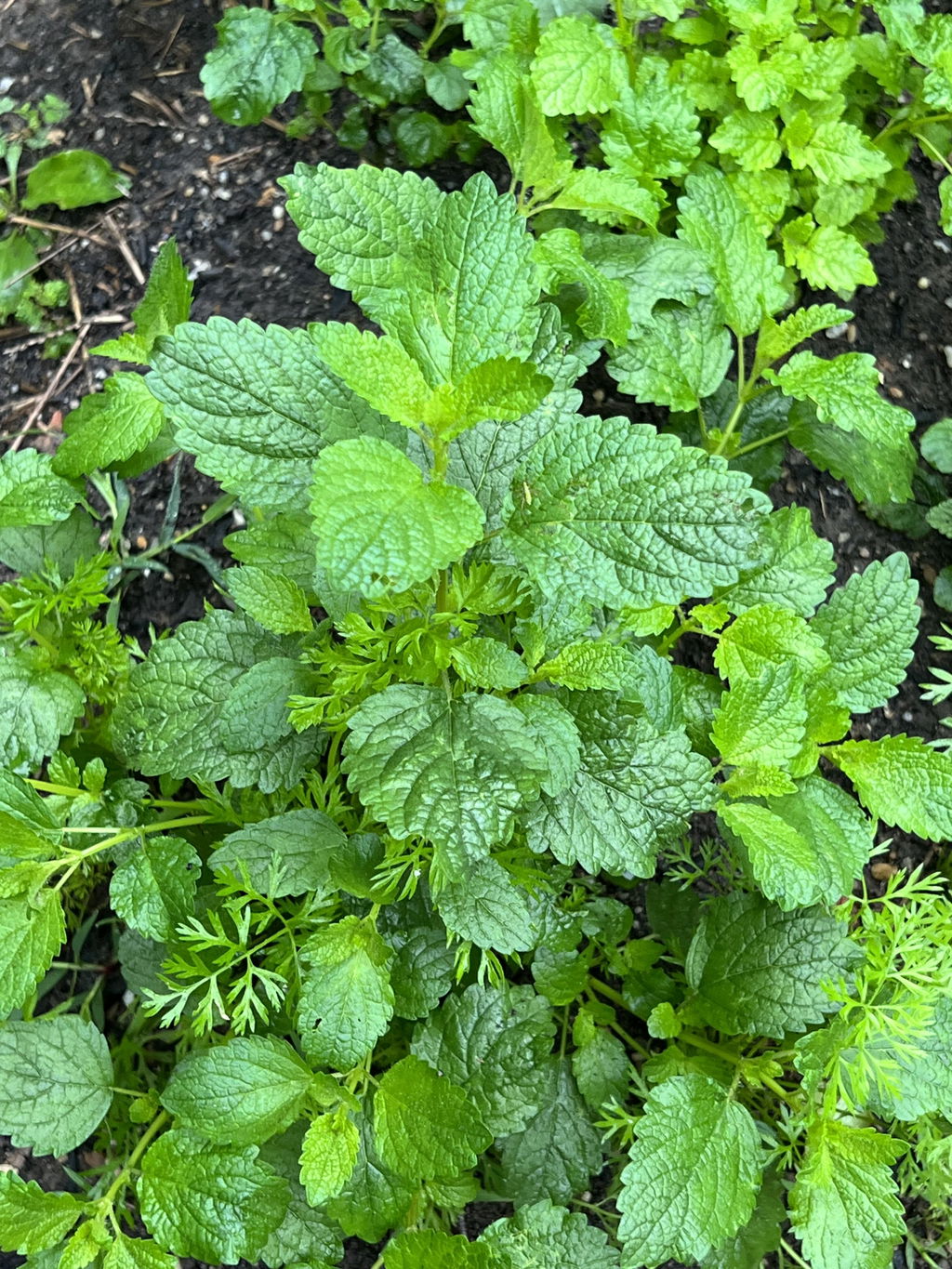
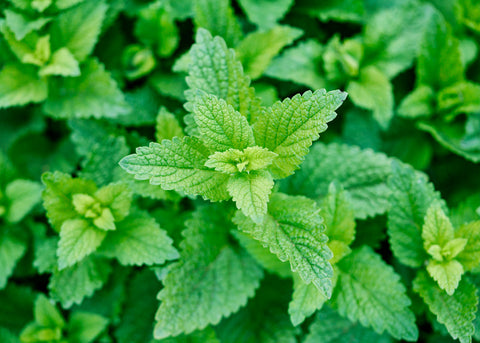
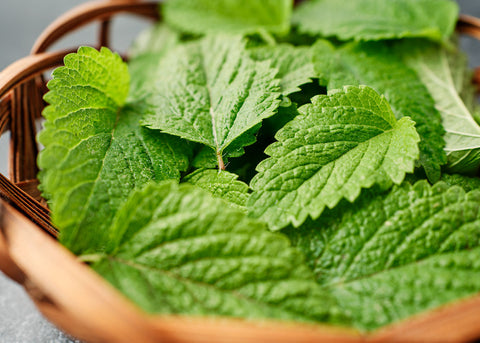
Lemon balm is a fragrant perennial herb with soft green leaves and a clean lemon scent that lifts from the plant as soon as it is touched. Long grown in monastery and cottage gardens, it has been used traditionally for teas, syrups, and household herb blends.
Plants are hardy, generous, and easy to grow, spreading politely at first and more freely when happy. Tuck it where you can brush past the leaves, harvest often to keep growth tender, and enjoy its bright citrus note fresh, dried, or steeped.
Scientific name: Melissa officinalis
Life cycle: Perennial
Days to maturity: 70-90 days from sowing
Plant height: 18-24"
Growth habit: Spreading
Every order is packed with care by our small team in Pennsylvania and typically ships within 2–3 business days—often by the next business day. We ship throughout the United States using USPS and UPS.
Unopened items may be returned within 30 days of delivery. If an order arrives damaged, incomplete, or incorrect, please contact us so we can make it right.
We stand behind every packet we sell. Our seeds are carefully selected, tested for germination, untreated, and guaranteed to be true to variety.
Your seeds are covered for one year from the date of purchase. If they fail to germinate under reasonable growing conditions, arrive damaged, or do not grow true to type, contact us and we’ll make it right with a replacement, store credit, or refund.
FAMILY OWNED
Hand packed in Pennsylvania by our family.
LAB TESTED
Third-party tested for reliable germination.
NON-GMO
Open-pollinated varieties for home gardens & seed saving.
UNTREATED SEED
Never coated with chemical seed treatments.
Lemon Balm Growing Basics

Lemon balm has been grown in European and Mediterranean herb gardens for centuries, treasured for its bright citrus fragrance, soft green leaves, and easy place near the kitchen door. Brush against the plant on a warm day and the leaves release a scent that feels fresh, clean, and unmistakably lemony.
A member of the mint family, lemon balm grows into a leafy perennial clump and produces small pale flowers that bees readily visit. Its leaves are useful in teas, cold drinks, fruit dishes, baked goods, herb blends, and fragrant household projects. Once established, the plant is generous and enduring, though it may spread by seed if flowers are left to mature.
Start lemon balm indoors about 6–8 weeks before the expected last spring frost, or direct sow outdoors after the soil can be worked and temperatures have begun to settle.
Transplant well-rooted seedlings in spring after severe cold has passed. Established plants are perennial in many climates and return from the crown each year. Lemon balm may also be planted in early fall where there is enough time for roots to establish before winter.
Sow seeds shallowly on the surface of moist seed-starting mix and cover only lightly. Keep the surface evenly moist until germination, which may take one to three weeks.
Provide strong light once seedlings emerge. Harden plants gradually before moving them outdoors, spacing them about 18–24 inches apart. Lemon balm also grows well in containers, which can help limit self-sowing and keep the leaves close to the kitchen.
Choose a site with full sun to partial shade and well-drained soil. Lemon balm tolerates ordinary garden ground, though finished compost and steady moisture encourage lush, tender foliage.
Water regularly while plants establish. Mature plants tolerate short dry periods, but the leaves are best when growth remains steady. Cut plants back after flowering or whenever stems become coarse to encourage a fresh flush of leaves.
Lemon balm flowers attract bees, hoverflies, and other beneficial insects, making it useful near vegetable gardens, orchards, herb beds, and pollinator plantings. Deadhead before seed matures if you want to prevent volunteer seedlings from spreading through nearby beds.
Begin harvesting once plants are well established and producing plenty of foliage. Cut young stems just above a leaf pair, taking small amounts often to encourage branching.
For the strongest fragrance, harvest before flowering and during the cool part of the day. Use leaves fresh, freeze them, or dry them gently in a warm, airy place away from direct sun. Dried lemon balm loses fragrance over time, so store it tightly sealed and use it within the season when possible.
I recently planted the seeds because it took me that long to get the area ready but they have sprouted and so far beautiful and happy in their new home
Hi Sherry! Thank you for sharing your experience with us. It's wonderful to hear that your Lemon Balm Herb Seeds are off to a strong start and flourishing in their new environment. We appreciate your support and wish you continued success as you nurture your garden. If you have any more updates or questions, feel free to share. Happy gardening and enjoy your thriving Lemon Balm!
Hello Heather, thanks for your feedback about the Lemon Balm Herb Seeds. We're glad to hear that your lemon balm is thriving and that you experienced high germination rates. If you have any further insights to share or questions, please feel free to reach out. Enjoy the growth of your lemon balm!
Cannot wait to see them grow!!