

California Orange - Poppy Seeds

SKU: FPY101
Open-Pollinated
Heirloom
Price:$3.95
Choose size

🚚 FREE SHIPPING for all orders over $79!

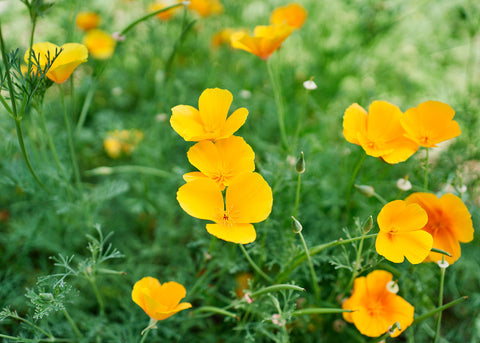
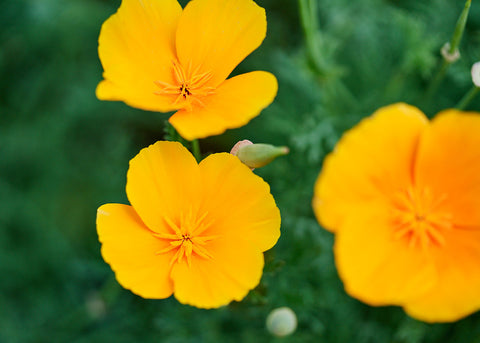
California Orange poppy is the classic golden state flower, opening silky orange cups above fine blue-green foliage. Native to the Pacific slope of North America, this sun-loving annual brings a wild, western brightness to dry borders, meadow plantings, pollinator patches, and easy cottage gardens.

The blooms open with the light and close in cool weather or evening, giving the planting a living rhythm through the day. Drought tolerant once established and happy in lean soil, California poppy is beautiful proof that simple flowers can carry a whole landscape in their color.

Every order is packed with care by our small team in Pennsylvania and typically ships within 2–3 business days—often by the next business day. We ship throughout the United States using USPS and UPS.

Unopened items may be returned within 30 days of delivery. If an order arrives damaged, incomplete, or incorrect, please contact us so we can make it right.

View Shipping Policy

We stand behind every packet we sell. Our seeds are carefully selected, tested for germination, untreated, and guaranteed to be true to variety.

Your seeds are covered for one year from the date of purchase. If they fail to germinate under reasonable growing conditions, arrive damaged, or do not grow true to type, contact us and we’ll make it right with a replacement, store credit, or refund.

View Refund, Return & Guarantee Policy

Previous
Next

NON-GMO

Open-pollinated varieties for home gardens & seed saving

UNTREATED SEED

Safe seed, free from chemical treatments

HAND PACKED IN PA

Prepared with care by our family and small team

100% SATISFACTION

Third-party lab tested and backed by our guarantee

Growing Guide

Poppies have brightened gardens for centuries with their delicate, tissue-like petals and graceful seed pods. From the large, architectural blooms and decorative pods of breadseed poppies to the airy, dancing flowers of Shirley and Flanders poppies, they bring color, movement, and timeless beauty to cottage gardens, meadows, and cutting gardens.

Most poppies thrive in cool weather and establish best from direct sowing. Their flowers attract bees and other pollinators, while the ornamental seed pods remain prized for fresh and dried floral arrangements long after the petals have fallen.

Scientific name: eschscholzia californica
Days to maturity: 55-60
Seed depth: 1/4"
Days to sprout: 14-21
Plant spacing: 6-10"
Row spacing: 18-24"
Light requirements: sunny
Plant height: 12-18"
Life cycle: tender perennial
Frost hardy: no

Direct sow poppies in late fall or very early spring while soils remain cool. Exposure to cool temperatures encourages reliable germination, and seedlings establish best before the arrival of summer heat.

In regions with mild winters, fall sowing often produces earlier blooms and larger plants the following spring. In colder climates, sow as soon as the soil can be worked in spring. Breadseed poppies (Papaver somniferum) and Shirley poppies (Papaver rhoeas) both tolerate cool weather well and often self-sow naturally where mature seed is allowed to fall.

Scatter seed over prepared soil and press it firmly into the surface without covering deeply, as light helps encourage germination. Keep the seedbed evenly moist until seedlings emerge.

Because poppies develop delicate taproots, direct sowing is strongly preferred over transplanting. Thin seedlings once established, leaving approximately 8–12 inches between breadseed poppies and 6–10 inches between Shirley poppies.

Plant poppies in full sun with well-drained soil. They perform best in average garden soil and generally flower more heavily without excessive fertilizer.

Water regularly while seedlings establish, then only during prolonged dry periods. Avoid disturbing the roots once plants begin growing.

Breadseed poppies produce larger plants with substantial ornamental seed capsules, while Shirley poppies branch freely and create an airy display of continuous flowers. Both provide excellent early-season nectar for bees and beneficial insects while blending beautifully with bachelor’s buttons, larkspur, nigella, and other cool-season flowers.

Harvest flowers just as the buds begin opening, although many gardeners grow poppies primarily for their decorative seed pods rather than their relatively short vase life.

Breadseed poppy pods are highly prized for fresh and dried arrangements once fully developed. Shirley poppies contribute delicate color to bouquets, while their smaller pods also dry attractively for later use.

Breadseed poppies are widely grown for their ornamental flowers and decorative seed capsules, while many gardeners also appreciate the mature culinary seeds used in baking. Only fully mature seeds are used for culinary purposes.

Shirley poppies are grown primarily for ornamental beauty, pollinator support, and naturalized meadow plantings. Both species provide exceptional dried seed pods that remain attractive for months in floral arrangements.

Poppies are generally dependable but may occasionally experience aphids, slugs, snails, or caterpillar feeding, particularly while plants are young.

Good drainage, proper spacing, and watering near the soil surface help reduce fungal diseases and root problems. Healthy plants usually require little maintenance once established.

Poppies are primarily self-pollinating, although insects may occasionally move pollen between nearby plants. Different species, such as Papaver somniferum and Papaver rhoeas, do not readily cross, but varieties within each species can.

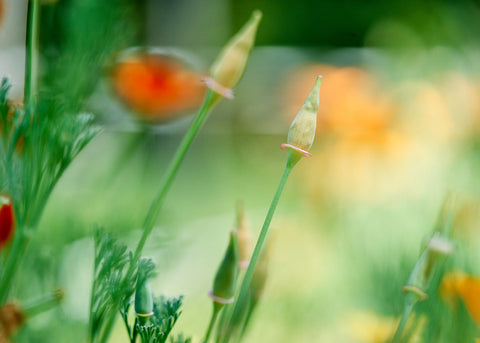
Allow seed pods to remain on the plant until they turn tan and completely dry. Mature breadseed poppy capsules develop small openings beneath the flat “crown” at the top of the pod and will rattle when shaken as the seeds loosen inside. Shirley poppy capsules dry similarly but are much smaller. Cut the dry pods before heavy wind scatters the seed, then shake or pour the tiny seeds into a container. Store clean, fully dry seed in a cool, dark, dry location.

  • Direct sow into cool soil for best germination.
  • Fall sowing often produces the earliest spring flowers.
  • Avoid transplanting whenever possible.
  • Leave some seed pods standing if natural reseeding is desired.
  • Harvest pods before prolonged wet weather for the highest seed quality.