
How to Grow Poppies

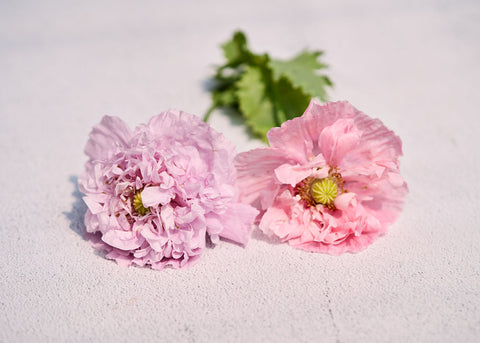
Poppies have brightened gardens for centuries with their delicate, tissue-like petals and graceful seed pods. From the large, architectural blooms and decorative pods of breadseed poppies to the airy, dancing flowers of Shirley and Flanders poppies, they bring color, movement, and timeless beauty to cottage gardens, meadows, and cutting gardens.

Most poppies thrive in cool weather and establish best from direct sowing. Their flowers attract bees and other pollinators, while the ornamental seed pods remain prized for fresh and dried floral arrangements long after the petals have fallen.

Growing Guide

Direct sow poppies in late fall or very early spring while soils remain cool. Exposure to cool temperatures encourages reliable germination, and seedlings establish best before the arrival of summer heat.

In regions with mild winters, fall sowing often produces earlier blooms and larger plants the following spring. In colder climates, sow as soon as the soil can be worked in spring. Breadseed poppies (Papaver somniferum) and Shirley poppies (Papaver rhoeas) both tolerate cool weather well and often self-sow naturally where mature seed is allowed to fall.

Scatter seed over prepared soil and press it firmly into the surface without covering deeply, as light helps encourage germination. Keep the seedbed evenly moist until seedlings emerge.

Because poppies develop delicate taproots, direct sowing is strongly preferred over transplanting. Thin seedlings once established, leaving approximately 8–12 inches between breadseed poppies and 6–10 inches between Shirley poppies.

Plant poppies in full sun with well-drained soil. They perform best in average garden soil and generally flower more heavily without excessive fertilizer.

Water regularly while seedlings establish, then only during prolonged dry periods. Avoid disturbing the roots once plants begin growing.

Breadseed poppies produce larger plants with substantial ornamental seed capsules, while Shirley poppies branch freely and create an airy display of continuous flowers. Both provide excellent early-season nectar for bees and beneficial insects while blending beautifully with bachelor’s buttons, larkspur, nigella, and other cool-season flowers.

Plant poppies in full sun with well-drained soil. They perform best in average garden soil and generally flower more heavily without excessive fertilizer.

Water regularly while seedlings establish, then only during prolonged dry periods. Avoid disturbing the roots once plants begin growing.

Breadseed poppies produce larger plants with substantial ornamental seed capsules, while Shirley poppies branch freely and create an airy display of continuous flowers. Both provide excellent early-season nectar for bees and beneficial insects while blending beautifully with bachelor’s buttons, larkspur, nigella, and other cool-season flowers.

Breadseed poppies are widely grown for their ornamental flowers and decorative seed capsules, while many gardeners also appreciate the mature culinary seeds used in baking. Only fully mature seeds are used for culinary purposes.

Shirley poppies are grown primarily for ornamental beauty, pollinator support, and naturalized meadow plantings. Both species provide exceptional dried seed pods that remain attractive for months in floral arrangements.

Poppies are generally dependable but may occasionally experience aphids, slugs, snails, or caterpillar feeding, particularly while plants are young.

Good drainage, proper spacing, and watering near the soil surface help reduce fungal diseases and root problems. Healthy plants usually require little maintenance once established.

Poppies are primarily self-pollinating, although insects may occasionally move pollen between nearby plants. Different species, such as Papaver somniferum and Papaver rhoeas, do not readily cross, but varieties within each species can.

Allow seed pods to remain on the plant until they turn tan and completely dry. Mature breadseed poppy capsules develop small openings beneath the flat “crown” at the top of the pod and will rattle when shaken as the seeds loosen inside. Shirley poppy capsules dry similarly but are much smaller. Cut the dry pods before heavy wind scatters the seed, then shake or pour the tiny seeds into a container. Store clean, fully dry seed in a cool, dark, dry location.

  • Direct sow into cool soil for best germination.
  • Fall sowing often produces the earliest spring flowers.
  • Avoid transplanting whenever possible.
  • Leave some seed pods standing if natural reseeding is desired.
  • Harvest pods before prolonged wet weather for the highest seed quality.