
How to Grow Alyssum

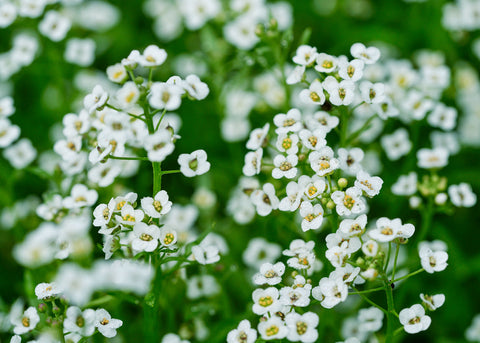
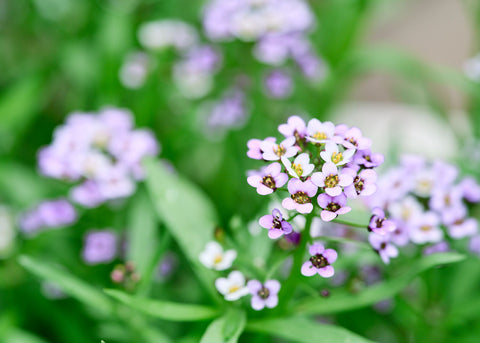
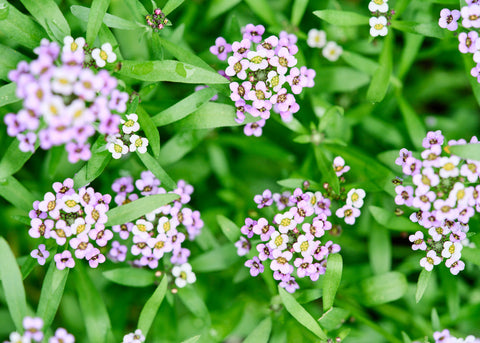
Sweet alyssum has long been cherished for its clouds of tiny flowers and remarkably sweet honey-like fragrance. Native to the Mediterranean region, this low-growing annual quickly forms carpets of white, pink, lavender, or purple blooms that soften garden edges, spill gracefully from containers, and fill the air with fragrance throughout the growing season.

Its small blossoms may appear delicate, but alyssum is one of the hardest-working flowers in the garden. It attracts bees, butterflies, hoverflies, parasitic wasps, and other beneficial insects while flowering continuously from spring through frost with minimal care. Whether tucked between vegetables, lining pathways, or overflowing from hanging baskets, alyssum brings beauty and life wherever it grows.

Growing Guide

Direct sow alyssum outdoors after the danger of hard frost has passed, or start seeds indoors about 4–6 weeks before your last spring frost for earlier blooms. Alyssum thrives during cool weather and often flowers heavily before summer heat arrives.

In many climates, alyssum can also be sown in late summer for fresh fall blooms as temperatures begin to cool. Mild winter regions may even support fall sowings that bloom through winter and early spring.

Scatter seeds on the surface of moist soil or seed-starting mix and press them in gently. Alyssum seeds need light to germinate, so avoid covering them with more than a very light dusting of soil.

Keep the surface consistently moist until germination, which usually occurs within one to two weeks. Provide bright light for indoor seedlings, then harden plants gradually before transplanting. Space plants about 6–8 inches apart to allow them to spread into flowering mounds.

Plant alyssum in full sun to partial shade in well-drained soil. While it tolerates average garden soil, consistent moisture encourages the longest bloom period, especially during dry weather.

Trim plants lightly after the first major flush of flowers if they become leggy. A quick haircut often encourages fresh growth and another wave of blooms as temperatures moderate.

Alyssum is one of the best companion flowers for vegetable gardens. Its nectar-rich blossoms attract hoverflies, parasitic wasps, lacewings, and native bees that help pollinate crops and support natural pest control throughout the garden.

Plant alyssum in full sun to partial shade in well-drained soil. While it tolerates average garden soil, consistent moisture encourages the longest bloom period, especially during dry weather.

Trim plants lightly after the first major flush of flowers if they become leggy. A quick haircut often encourages fresh growth and another wave of blooms as temperatures moderate.

Alyssum is one of the best companion flowers for vegetable gardens. Its nectar-rich blossoms attract hoverflies, parasitic wasps, lacewings, and native bees that help pollinate crops and support natural pest control throughout the garden.

Sweet alyssum is grown primarily as an ornamental flower rather than a food crop. Its greatest value comes from its exceptionally long bloom period and its ability to support pollinators and beneficial insects.

Plant alyssum along vegetable rows, borders, containers, raised beds, pathways, and rock gardens where it provides season-long color while helping create a healthier, more diverse garden ecosystem.

Alyssum is generally trouble-free but may occasionally attract aphids, flea beetles, or slugs on young plants. Healthy, vigorous plants usually outgrow minor feeding.

Good air circulation and well-drained soil help prevent root rot and fungal diseases. Avoid overly wet conditions, especially in containers or heavy soils.

Alyssum is an insect-pollinated annual that readily produces seed after flowering. Select vigorous plants with abundant blooms, good fragrance, and the flower color you wish to preserve.

Allow seed pods to mature and dry on the plant until they become tan and papery. Harvest before the pods begin opening naturally and scattering seed.

Finish drying indoors if needed, then gently crush the pods to release the tiny seeds. Separate the seed from the chaff and store it in a labeled container in a cool, dark, dry place.

  • Surface sow seeds since they need light to germinate.
  • Trim plants lightly to encourage repeat blooming.
  • Plant near vegetables to attract beneficial insects.
  • Excellent for containers, borders, and hanging baskets.
  • Makes an outstanding living mulch around taller flowers.