

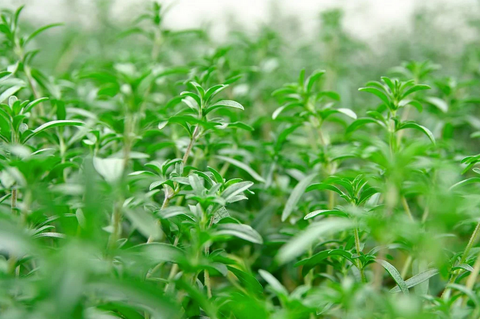
How to Grow Savory

Savory has been grown around the Mediterranean for centuries, valued for its peppery fragrance and its easy partnership with beans, vegetables, meats, soups, stuffing, and preserved foods. It is the kind of herb that quietly earns its place in the kitchen, adding warmth and depth without overpowering the rest of the dish.

Two main types are commonly grown. Summer savory is a tender annual with a lighter, brighter flavor and quick growth from seed. Winter savory is a woody perennial with a stronger, more resinous character and a low, spreading habit. Both bring small flowers that attract bees and beneficial insects, making savory useful in herb beds, vegetable gardens, containers, and sunny borders.

Growing Guide

Start savory indoors about 4–6 weeks before the expected last spring frost, or direct sow outdoors after the danger of frost has passed and the soil has begun to warm. Summer savory grows quickly and is well suited to spring sowing for a same-season harvest.

For a longer harvest, sow another small batch of summer savory in early summer. Winter savory can be transplanted in spring or early fall where there is enough time for roots to establish before severe cold. Established winter savory returns as a perennial where drainage and winter conditions suit it.

Sow the small seeds shallowly in moist seed-starting mix or prepared garden soil, covering them only lightly. Keep the surface evenly moist until germination, which usually takes one to three weeks.

Provide strong light once seedlings emerge. Harden indoor-grown plants gradually before transplanting. Space summer savory about 8–12 inches apart and winter savory about 12–18 inches apart, allowing room for its wider, woody growth.

Savory also performs well in containers, especially where the potting mix drains freely and plants receive plenty of sun.

Choose a site with full sun and well-drained soil. Savory grows best in moderate to lean fertility and does not need heavy feeding. Rich, wet conditions can encourage weak growth and reduce flavor.

Water regularly while plants are establishing, then allow the soil surface to dry slightly between waterings. Pinch the growing tips of young plants to encourage branching and a fuller shape. Trim winter savory lightly after flowering to keep the plant compact.

Savory is especially useful near beans and other vegetables because its small flowers attract bees, hoverflies, parasitic wasps, and other beneficial insects. Rather than acting as a guaranteed pest repellent, it helps bring more pollinator and predator activity into the garden.

Choose a site with full sun and well-drained soil. Savory grows best in moderate to lean fertility and does not need heavy feeding. Rich, wet conditions can encourage weak growth and reduce flavor.

Water regularly while plants are establishing, then allow the soil surface to dry slightly between waterings. Pinch the growing tips of young plants to encourage branching and a fuller shape. Trim winter savory lightly after flowering to keep the plant compact.

Savory is especially useful near beans and other vegetables because its small flowers attract bees, hoverflies, parasitic wasps, and other beneficial insects. Rather than acting as a guaranteed pest repellent, it helps bring more pollinator and predator activity into the garden.

Savory leaves contain fragrant essential oils and naturally occurring plant compounds that give the herb its peppery, warming flavor.

Use savory with beans, lentils, meats, potatoes, cabbage, tomatoes, eggs, soups, stuffing, sausages, and herb blends. Summer savory is milder and especially good in fresh dishes, while winter savory stands up well to longer cooking and richer foods.

Savory is generally resilient, though aphids, spider mites, thrips, or small chewing insects may occasionally appear. Healthy plants usually tolerate light feeding without much trouble.

Good spacing, airflow, and careful watering help prevent mildew, leaf spots, and root problems. Avoid planting in low, wet ground or packing heavy mulch against the crown of winter savory.

Summer savory is an annual that flowers and sets seed in one season. Winter savory is a perennial and may also be grown to seed once plants are established. Both are insect-pollinated, and varieties of the same species may cross when flowering nearby.

Select healthy, fragrant plants with strong branching, good leaf quality, and the growth habit you want to preserve. Allow some flower clusters to mature until they turn brown and dry.

Cut mature stems before seed drops heavily, then finish drying them under cover in a warm, airy place. Rub or thresh the dry flower heads to release the seed, remove the chaff, and store fully dry seed in a labeled container in a cool, dark place.

  • Identify whether your variety is summer or winter savory.
  • Pinch young plants to encourage fuller growth.
  • Harvest before full bloom for the strongest flavor.
  • Avoid overly rich or wet soil.
  • Leave some flowers for bees and beneficial insects.