



Solar Yellow - Carrot Seeds
🚚 FREE SHIPPING for all orders over $79!
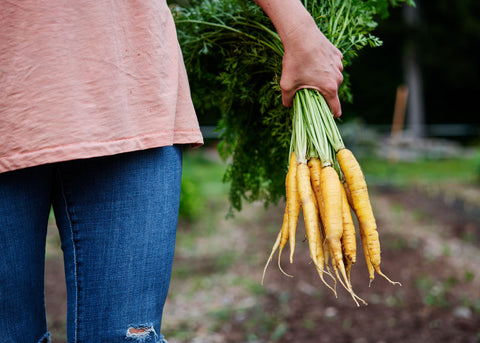
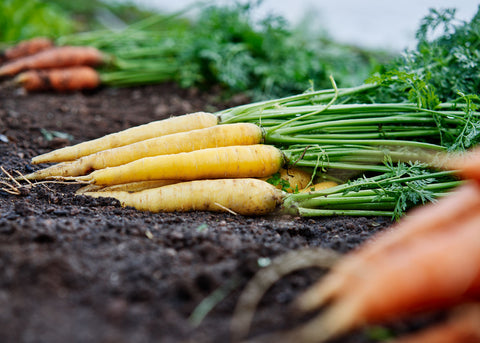
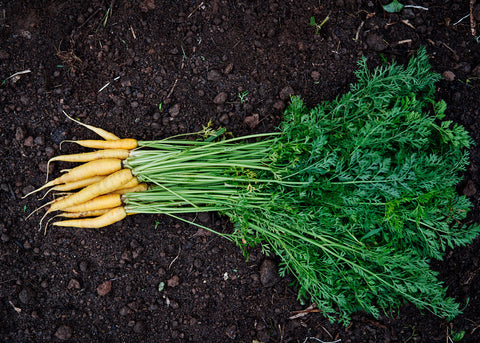
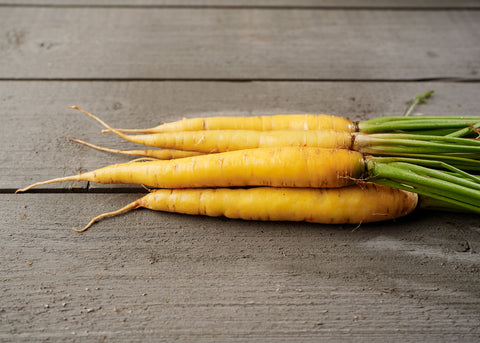
Solar Yellow roots glow like sticks of butter, carrying a mild, sweet flavor that stays bright in the pan or pickle jar. Yellow carrots trace back to Central Asia centuries ago—orange only took over in the 1600s. These 6–8" roots handle heat a bit better than some, making late plantings worthwhile.
A source of lutein and xanthophylls, they bring colorful carotenoid pigments to the table. Sow shallowly, keep seed beds evenly moist, and thin early for straight roots. Solar Yellow is a cheerful change of pace in any carrot row.
Every order is packed with care by our small team in Pennsylvania and typically ships within 2–3 business days—often by the next business day. We ship throughout the United States using USPS and UPS.
Unopened items may be returned within 30 days of delivery. If an order arrives damaged, incomplete, or incorrect, please contact us so we can make it right.
We stand behind every packet we sell. Our seeds are carefully selected, tested for germination, untreated, and guaranteed to be true to variety.
Your seeds are covered for one year from the date of purchase. If they fail to germinate under reasonable growing conditions, arrive damaged, or do not grow true to type, contact us and we’ll make it right with a replacement, store credit, or refund.
Plant seeds directly in the garden in early spring starting about 2 weeks before average last frost date. Optimum soil temperature for seed germination is 50-85 degrees. Thin seedlings when they are about 1" high. Successive sowings can be made every two to three weeks. Do not plant if crop will mature in the heat of summer as it may result in poor quality carrots. Planting can resume late summer for a fall harvest. Cut off all but 1" off tops before storing. Even at optimum temperature carrot seed can take up to 18 days to germinate.
Scientific name: daucus carota
Days to maturity: 60
Seed depth: 1/4-1/2"
Days to sprout: 12-18
Plant spacing: 1-3"
Row spacing: 1-2'
Light requirements: sunny / shade tolerant
Plant height: 15-20"
Life cycle: biennial
Frost hardy: yes
NON-GMO
Open-pollinated varieties for home gardens & seed saving
UNTREATED SEED
Safe seed, free from chemical treatments
HAND PACKED IN PA
Prepared with care by our family and small team
100% SATISFACTION
Third-party lab tested and backed by our guarantee
Growing Guide

Carrots were first cultivated in Central Asia, where early roots were often purple, yellow, red, or white rather than orange. Over centuries, gardeners selected them for sweeter flavor, smoother roots, and a wide range of shapes and colors. The familiar orange carrot became especially prominent in Europe, but older colors remain an important part of the crop’s history.
Carrots are cool-season biennials grown for their roots during the first year. They perform best in loose, stone-free soil with steady moisture and little competition. Direct sow the fine seed, keep the surface moist through germination, thin carefully, and harvest once the roots reach the size and color expected for the variety.
Sow carrots outdoors about 2 weeks before the average last frost, once the soil has warmed to roughly 45°F. They tolerate light frost and grow best while roots mature in cool to mild weather.
For a steady harvest, sow small plantings every 2–3 weeks. Time late-summer sowings so the roots mature near the first fall frost.
Carrot seed can germinate in cool soil, but emergence is slow. Hot weather during root development can reduce flavor and quality, so use afternoon shade or delay sowing when summers are severe.
Direct sow seeds ¼–½ inch deep in early spring. Later sowings may be planted slightly deeper where the surface dries quickly. Scatter seeds thinly and cover with fine soil, compost, or vermiculite.
Keep the seedbed consistently moist until seedlings emerge, which often takes 10–17 days or longer in cool conditions. A light cover of burlap or row fabric can help retain moisture; remove it as soon as seedlings appear.
Thin young plants to about 1–2 inches apart for most varieties. Short finger types may be spaced more closely, while broad or storage carrots need more room. Clip unwanted seedlings at soil level if pulling might disturb nearby roots.
Choose full sun and deeply loosened, well-drained soil. Remove stones and break up clods before sowing. Short, rounded varieties are better suited to shallow or heavy soil than long-rooted types.
Keep moisture steady as the roots develop. Dry soil can produce stronger flavor, rough texture, or splitting when heavy watering follows. Mulch lightly once seedlings are established.
Carrots need moderate fertility. Excess nitrogen can encourage leafy tops and forked or poorly formed roots. Weed early and cultivate shallowly to avoid damaging the roots.
Cover exposed shoulders with a little soil if they begin turning green. Trim only after harvest; growing tops help feed the roots.
Harvest baby or finger carrots once the roots reach a useful size. Full-size carrots are generally ready when the shoulders are about ¾–1½ inches across, depending on the variety.
Loosen firm soil with a fork before pulling to avoid snapping long roots. Carrots often become sweeter after light frost as stored starches shift toward sugars.
For storage, remove the tops, leaving about an inch of stem. Keep unwashed roots cool and humid, or leave fall carrots in the garden beneath a deep mulch until the ground begins to freeze.
Carrots provide fiber, potassium, vitamin K, several B vitamins, and antioxidant plant compounds. Orange carrots are especially rich in beta-carotene, while purple roots contain anthocyanins. Red and yellow varieties bring different carotenoids and pigments to the table.
Enjoy carrots raw, roasted, steamed, fermented, juiced, or added to soups and stews. Cooking softens the roots and makes their sweetness more pronounced, while a little dietary fat helps the body make use of fat-soluble carotenoids.
Carrot rust fly larvae, wireworms, cutworms, aphids, and root-knot nematodes may damage roots or seedlings. Rotate crops, control nearby weeds, remove old carrot residue, and use row cover where rust flies are common.
Aster yellows causes yellow foliage and hairy, distorted roots. Remove affected plants because there is no cure. Leaf blights and powdery mildew are more likely in crowded or persistently wet plantings.
Forked or misshapen roots usually result from compacted soil, stones, fresh manure, root disturbance, or excess nitrogen rather than disease.
Carrots are biennials and produce seed during their second year. Select healthy, well-shaped roots from open-pollinated varieties. Cut the tops back to 1–2 inches and store the roots in a cool, humid place through winter where the ground freezes deeply.
Replant the roots in spring with the crown level with the soil. Carrots cross readily with other carrot varieties and with Queen Anne’s lace, so isolation is important when saving seed true to type.
The plants will produce tall flower stalks and flat clusters of small white blooms. Harvest seed heads as they turn brown and dry, then rub out the seed and remove the chaff. Dry thoroughly before storing in a labeled container.
- Keep the seedbed moist until the slow-germinating seedlings appear.
- Choose short-rooted varieties for heavy, rocky, or shallow soil.
- Thin early so roots have room to size up evenly.
- Avoid fresh manure and excess nitrogen before planting.
- Sow radishes with carrots to mark the row, then harvest them before crowding begins.


